
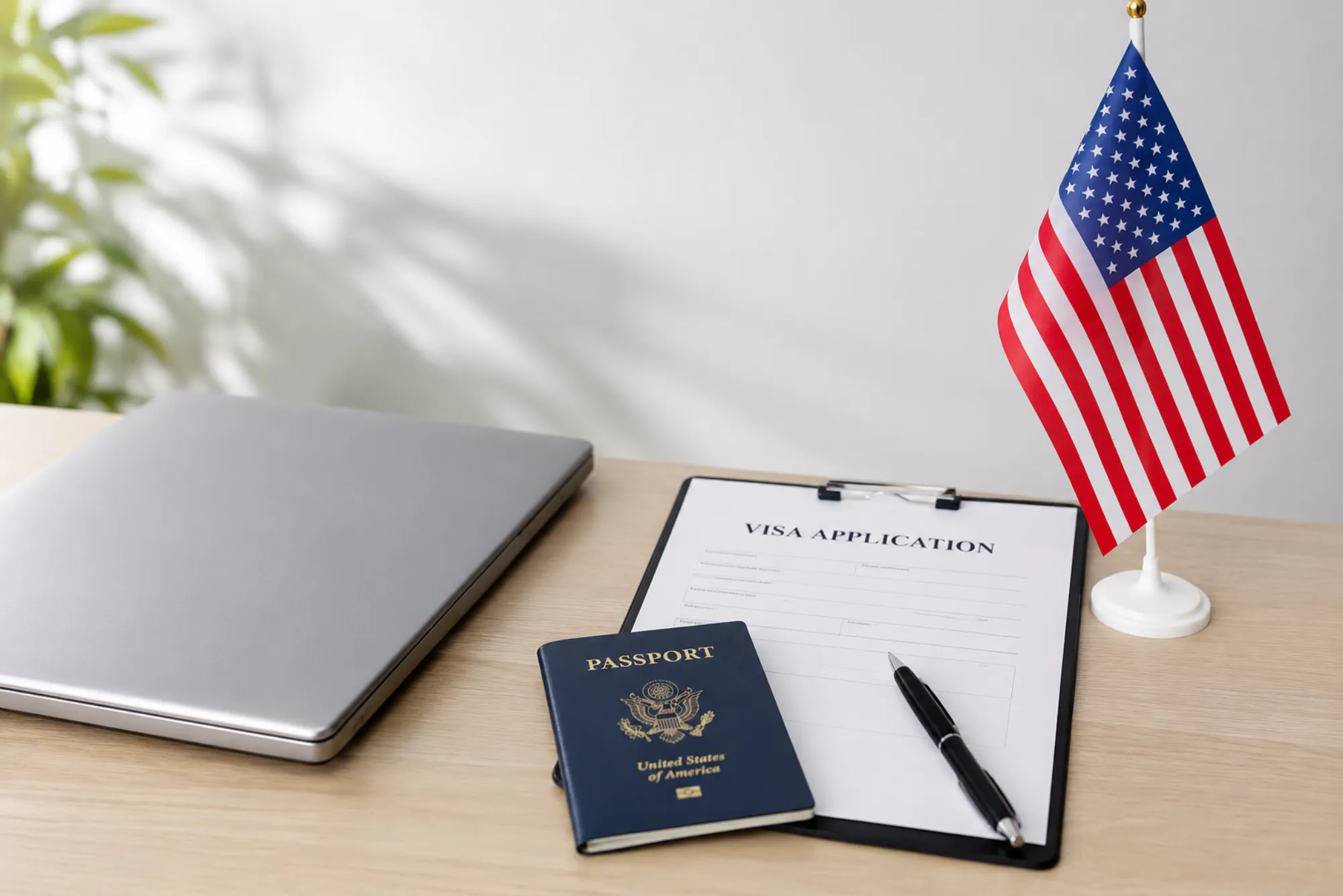
American Visa Application Price in 2026: Visa Charges and Fee Guide
Planning a trip, education program, business visit, or long-term relocation to the United States requires careful preparation, and one of the first questions applicants ask is: how much does an American visa cost in 2026? Visa fees are an essential part of the application process, and understanding them in advance can help travelers and immigrants budget more effectively.
The United States continues to offer several visa categories, each with its own application fees, processing requirements, and additional expenses. Whether you are applying for a tourist visa, student visa, work visa, or immigrant visa, understanding the latest fee structure can save both time and money.
This guide provides a detailed overview of the American visa application price in 2026, including official application charges, additional processing costs, payment procedures, and practical budgeting tips for applicants worldwide.
Understanding the American Visa Fee System
The United States visa system operates through two primary categories:
- Nonimmigrant visas for temporary travel purposes.
- Immigrant visas for permanent residence and family-based immigration.
Each visa type has a specific application fee, commonly called the Machine Readable Visa (MRV) fee for temporary visas. These fees are generally non-refundable, regardless of whether the visa application is approved or denied.
Travel planning often requires consideration of multiple expenses beyond visa fees, including accommodation, transportation, and insurance. Travelers researching international budgets may find useful planning insights through travel planning resources.

American Nonimmigrant Visa Application Fees in 2026
Most travelers visiting the United States apply under the nonimmigrant visa category. These visas cover tourism, business, education, employment, and exchange programs.
| Visa Type | Purpose | 2026 Estimated Fee (USD) |
|---|---|---|
| B1/B2 Visa | Tourism and Business | $185 |
| F Visa | Student Visa | $185 |
| M Visa | Vocational Student | $185 |
| J Visa | Exchange Visitor | $185 |
| H Visa | Temporary Worker | $205 |
| L Visa | Intra-company Transfer | $205 |
| O Visa | Extraordinary Ability | $205 |
| E Visa | Treaty Investor/Trader | $315 |
| K Visa | Fiancé Visa | $265 |
Applicants should remember that these figures represent only the basic application fees and do not include additional processing or administrative expenses.
B1/B2 Tourist and Business Visa Cost in 2026
The B1/B2 visa remains one of the most commonly requested American visas worldwide. It allows applicants to visit the United States for tourism, family visits, business meetings, conferences, and short-term activities.
The estimated application fee for a B1/B2 visa in 2026 remains approximately $185. This fee covers:
- Online DS-160 application processing
- Embassy appointment scheduling
- Visa interview administration
- Application review
Additional expenses may include:
- Passport renewal fees
- Travel insurance
- Biometric services
- Courier delivery charges
- Travel expenses to the embassy or consulate
For travelers planning to explore major American destinations after obtaining a visa, itineraries such as this New York weekend travel guide can help organize expenses more efficiently.
American Student Visa Fees in 2026
International students pursuing education in the United States typically apply for F-1 or M-1 visas. The standard visa application fee in 2026 remains around $185.
However, students must also budget for several mandatory charges:
SEVIS Fee
The Student and Exchange Visitor Information System (SEVIS) fee is separate from the visa application fee and generally includes:
- F-1 Students: approximately $350
- M-1 Students: approximately $350
- J Exchange Visitors: approximately $220
Additional Student Expenses
- University application fees
- Credential evaluations
- English proficiency tests
- Medical examinations
- Travel expenses
As a result, many students spend between $600 and $1,200 before even arriving in the United States.
American Work Visa Fees in 2026
Employment-based visa categories often involve both employer-sponsored and applicant-paid fees.
The standard visa application fee for common work visas such as H, L, and O visas remains approximately $205.
Employers frequently bear additional costs such as:
- Petition filing fees
- Fraud prevention fees
- Premium processing fees
- Legal representation costs
- Compliance and administrative expenses
For premium processing services, employers may pay more than $2,800 to accelerate petition reviews.
Immigrant Visa Application Charges in 2026
Immigrant visas involve more extensive processing and generally higher fees than temporary visas.
| Immigrant Visa Type | Estimated Fee (USD) |
|---|---|
| Family-Based Immigrant Visa | $325 |
| Employment-Based Immigrant Visa | $345 |
| Diversity Visa Lottery | $330 |
| USCIS Immigrant Fee | $220 |
Applicants should also account for:
- Medical examination fees
- Police certificates
- Document translations
- Courier services
- Travel arrangements
The total cost of an immigrant visa application can often exceed $1,000 depending on the country of application and supporting documentation requirements.
Visa Reciprocity Fees
Some countries maintain reciprocity agreements with the United States that require additional fees beyond the standard visa application charges.
These reciprocity fees vary based on:
- Applicant nationality
- Visa category
- Length of visa validity
- Bilateral agreements between governments
Applicants should verify current reciprocity requirements before scheduling their visa interviews.
Medical Examination Costs
Several American visa categories require medical examinations performed by authorized physicians.
Average examination costs in 2026 may range from:
- $100 to $500 for basic medical exams
- $50 to $300 for vaccinations
- Additional fees for laboratory testing
Medical expenses vary significantly depending on the applicant’s country of residence and the approved medical provider.
Document Preparation Expenses
Applicants frequently underestimate the cost of preparing supporting documentation.
Potential expenses include:
- Passport renewals
- Certified translations
- Educational credential evaluations
- Police clearance certificates
- Photocopies and notarization
- Courier and postal services
These administrative costs can add hundreds of dollars to the overall visa budget.
How to Pay American Visa Fees
The payment process varies by country and embassy location. Common payment methods include:
- Online bank transfers
- Credit cards
- Debit cards
- Authorized bank deposits
- Electronic payment platforms
Applicants should retain all payment receipts, as they are often required during appointment scheduling and visa interviews.
Can American Visa Fees Be Refunded?
In most situations, American visa application fees are strictly non-refundable. This policy applies regardless of whether:
- The visa is approved
- The visa is refused
- The applicant cancels the appointment
- The applicant decides not to travel
Because of this policy, applicants should carefully review eligibility requirements before submitting payment.
Budgeting for a United States Trip in 2026
Visa costs represent only one component of international travel planning. Travelers should also prepare for:
- Airfare
- Accommodation
- Transportation
- Travel insurance
- Food and entertainment
- Emergency expenses
Understanding payment methods and spending practices abroad can also help reduce unexpected expenses. Travelers often benefit from reviewing international budgeting strategies such as those discussed in guides about card versus cash travel spending.
Will American Visa Prices Increase After 2026?
Visa fees are subject to periodic review by United States government agencies. While there is no guarantee of future increases, fee adjustments may occur due to:
- Inflation
- Administrative costs
- Policy changes
- Security enhancements
- Consular processing updates
Applicants planning future travel should monitor official announcements and apply early whenever possible to avoid unexpected fee increases.
Tips for Saving Money During the Visa Process
- Apply well before travel dates.
- Double-check application forms before submission.
- Avoid unnecessary rescheduling fees.
- Prepare supporting documents in advance.
- Research local embassy payment methods.
- Compare travel insurance policies carefully.
- Maintain organized digital copies of all documents.
Effective planning remains one of the best ways to reduce total visa-related expenses.
Final Thoughts
The American visa application price in 2026 depends heavily on the type of visa being requested. While tourist and student visas generally cost around $185, employment and immigrant visa processes often involve additional fees that can significantly increase total expenses.
Understanding the full range of costs—including application charges, medical examinations, document preparation, travel expenses, and administrative fees—allows applicants to prepare more confidently and avoid financial surprises during the visa process.
Whether you are planning a short visit, pursuing higher education, accepting a job opportunity, or immigrating permanently, a well-prepared budget remains one of the most important steps toward a successful American visa application journey.
Related Reading: Australian Holiday Visa Price in 2026: Visa Charges and Fee Guide