
Introduction
Zermatt, nestled at the foot of the iconic Matterhorn, is a paradise for hikers seeking breathtaking alpine landscapes. From gentle valley walks to challenging mountain trails, Zermatt offers routes suitable for all levels. Whether you are an experienced hiker or a casual walker, exploring the trails around Zermatt provides a unique combination of pristine nature, glacial views, and charming alpine villages. This guide covers the top hiking trails, distances, elevation, and expert tips to help you make the most of your Zermatt adventure.
Hiking in Zermatt
Hiking near Zermatt is more than a physical activity; it’s an immersive experience in the Swiss Alps. The region is car-free, which means clean air and quiet paths. Hikers can enjoy panoramic views of snow-capped peaks, emerald lakes, and wildflower-filled meadows. The trails vary in difficulty, ranging from short, scenic strolls to multi-hour climbs that challenge even seasoned hikers. In addition, the trails are well-marked, and local maps and apps help navigate routes efficiently. The best time to hike near Zermatt is between late spring and early autumn, when trails are clear of snow, and alpine flowers are in bloom.
Popular Hiking Routes Near Zermatt
Five Lakes Walk
The Five Lakes Walk is a moderate trail that offers some of the most stunning reflections of the Matterhorn. The route passes by five alpine lakes, each showcasing different hues of blue and green. The total distance is about 9 kilometers, and the trail can be completed in roughly three hours. Along the way, hikers encounter wooden bridges, waterfalls, and viewpoints perfect for photography. The trail is well-maintained, with gentle ascents and descents, making it suitable for families and casual hikers.
Gornergrat Trail
For hikers seeking higher altitudes and panoramic vistas, the Gornergrat Trail is ideal. Starting from Zermatt, this route climbs to the Gornergrat summit, offering one of the most famous views of the Matterhorn and surrounding peaks. The trail covers around 12 kilometers with an elevation gain of over 1,000 meters. While challenging, the payoff is extraordinary, as hikers are rewarded with a 360-degree panorama including Monte Rosa and the Gorner Glacier. Proper hiking shoes, layered clothing, and plenty of water are essential for this trek.
Matterhorn Glacier Trail
The Matterhorn Glacier Trail is perfect for those interested in glaciers and alpine geology. The hike is relatively short, around 6 kilometers, but involves some rocky paths and moderate elevation changes. It offers close-up views of the Hörnli Glacier and spectacular vantage points of the Matterhorn’s northern face. Interpretive signs along the trail explain glacial formation and local ecology, adding an educational element to the adventure. The trail is suitable for experienced beginners, and a guided hike is recommended for those unfamiliar with glacier terrain.
Sunnegga to Blauherd Panorama Trail
This trail offers a gentle and scenic route, ideal for hikers who want to enjoy views without intense climbing. Starting from the Sunnegga funicular, the path winds through alpine meadows and forested slopes before reaching Blauherd. The total distance is about 7 kilometers with mild elevation changes, making it accessible for families and casual walkers. The trail provides iconic views of the Matterhorn reflected in the surrounding lakes and is perfect for early morning or late afternoon hikes when lighting enhances the scenery.
Riffelsee Lake Hike
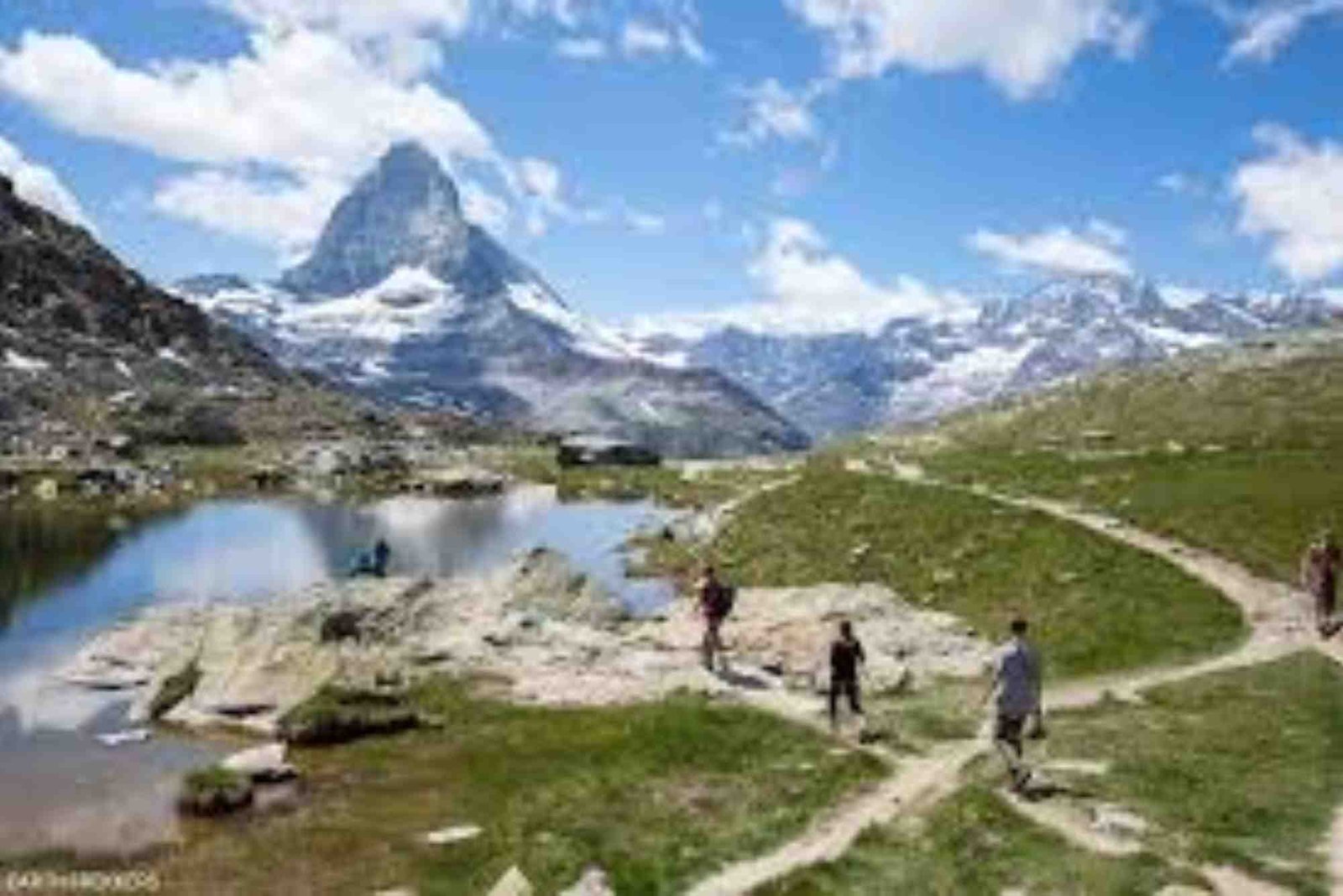
The Riffelsee Lake Hike is famous for its reflective views of the Matterhorn on calm days. The trail is about 8 kilometers long with moderate elevation gain. It begins at the Rotenboden station, accessible via the Gornergrat Railway, and follows well-marked paths to the lake. Along the route, hikers can enjoy alpine flora, occasional wildlife sightings, and postcard-perfect photo opportunities. The trail is moderately challenging but suitable for most hikers with average fitness levels.
Hiking Tips for Zermatt
Hiking near Zermatt requires preparation and awareness of mountain conditions. The weather can change rapidly, so packing waterproof clothing and layered outfits is crucial. Comfortable hiking shoes with good grip are essential due to rocky and sometimes steep paths. Carrying enough water and high-energy snacks ensures a steady supply of energy during long hikes. Using trekking poles can reduce strain on knees and provide stability on uneven terrain. Additionally, starting early in the day allows hikers to avoid afternoon clouds and potential thunderstorms.
Hiking etiquette in Zermatt is important to preserve the environment. Staying on marked trails prevents erosion and protects fragile alpine ecosystems. Respecting wildlife, such as marmots and ibex, ensures safe and responsible encounters. Many trails have rest huts or small cafes, providing opportunities to sample local foods like rösti or cheese while taking in the views. Knowledge of altitude effects is also helpful, as even moderate hikes at higher elevations can cause mild symptoms for some hikers.
Best Seasons for Hiking in Zermatt
Late spring to early autumn is the most suitable period for hiking near Zermatt. During this time, trails are mostly snow-free, and alpine flowers bloom vibrantly, enhancing the scenic experience. Summer months provide long daylight hours, allowing hikers to complete longer routes safely. Early autumn offers cooler temperatures and fewer crowds while still maintaining clear trail conditions. Winter hiking is possible in certain lower areas, but snow and ice make most alpine trails unsuitable without specialized equipment and experience.
Safety Considerations
Safety is paramount when hiking in mountainous regions. Checking weather forecasts before starting any hike is essential. Sudden storms can occur in the Alps, and visibility may drop quickly. Carrying a map, compass, or GPS device helps navigate unfamiliar routes. Hikers should inform someone about their planned route and estimated return time, especially on longer or more remote trails. First-aid kits, sun protection, and a fully charged phone are recommended. In emergencies, Swiss mountain rescue services are highly efficient, but preparation reduces the likelihood of needing assistance.
Accommodation Options for Hikers
Zermatt offers a variety of accommodations catering to hikers. Options range from luxury hotels with spa facilities to cozy alpine lodges and budget hostels. Many hotels provide early breakfast and packed lunch options for hikers, ensuring convenience and energy for long trails. Staying in Zermatt allows easy access to trailheads, public transport like the Gornergrat Railway, and cable cars for higher altitude starting points. For those seeking a more immersive experience, alpine huts along the trails provide rustic overnight stays with stunning views of the Matterhorn.
Dining and Refreshment Stops
After a long hike, Zermatt has plenty of options to refuel. Traditional Swiss cuisine, including cheese fondue, rösti, and hearty soups, is available in village restaurants. Trailside huts often serve refreshments and light meals, making it easy to pause and enjoy the scenery without returning to town. Hydration is critical at high altitudes, so hikers should always refill water bottles when possible. Many trails also pass through small hamlets with cafes, providing charming stops to experience local culture and cuisine.
Tips for Photography Enthusiasts
Zermatt is a dream destination for photographers. Early mornings and late afternoons provide the best light for capturing the Matterhorn and surrounding peaks. Reflective lakes like Riffelsee offer mirror-like compositions, while alpine meadows add vibrant colors to shots. Using a tripod helps with long-exposure shots of waterfalls and streams. Wide-angle lenses are ideal for capturing sweeping panoramas, while telephoto lenses can highlight wildlife and distant peaks. Being mindful of trail safety and not obstructing paths ensures both great photos and a safe experience for all hikers.
Environmental Awareness
Preserving Zermatt’s natural beauty is essential. Hikers are encouraged to carry out all trash and avoid disturbing plants or wildlife. Many trails have designated areas for rest and picnics, helping minimize environmental impact. Participating in local conservation programs or guided eco-hikes can provide deeper understanding of the alpine ecosystem. Respecting these guidelines ensures that Zermatt remains a pristine destination for future generations of hikers and nature lovers.
Hiking near Zermatt is an unforgettable experience combining stunning alpine landscapes, diverse trails, and cultural charm. Whether exploring tranquil lakes, challenging mountain ascents, or panoramic ridge walks, there is a trail for every hiker. Preparing adequately, respecting nature, and pacing yourself ensures a safe and rewarding adventure. Plan your hiking itinerary carefully, bring the right gear, and immerse yourself in the beauty of the Swiss Alps. Discover the magic of Zermatt and create memories that will last a lifetime. Book your trip today and embark on a hiking adventure that blends nature, challenge, and serenity.
FAQs
What are the easiest hiking trails near Zermatt?
The Five Lakes Walk and Sunnegga to Blauherd Panorama Trail are ideal for beginners and families, offering gentle slopes and scenic views.
How long does it take to hike the Gornergrat Trail?
The Gornergrat Trail is approximately 12 kilometers with an elevation gain of over 1,000 meters and typically takes 4–6 hours depending on pace.
Can I hike near Zermatt in winter?
Some lower trails are accessible in winter, but most alpine routes are covered in snow. Specialized equipment and experience are necessary.
Are there guided hiking tours in Zermatt?
Yes, guided tours are available, offering expert knowledge, safety, and insights into the region’s geology, flora, and wildlife.
Do I need special gear for hiking in Zermatt?
Hiking shoes, layered clothing, sun protection, water, and trekking poles are recommended. Glacier trails may require additional equipment like crampons.
Is Zermatt suitable for family hikes?
Yes, many trails are family-friendly, such as the Five Lakes Walk and Sunnegga to Blauherd route, offering manageable distances and scenic stops.
How do I reach trailheads from Zermatt?
Most trailheads are accessible via public transport, including cable cars, funiculars, or the Gornergrat Railway, reducing the need for driving.