Introduction
Finding the perfect pair of shoes is about more than style. The right shoes support your feet, enhance comfort, and prevent long-term problems. Many people underestimate the impact footwear has on overall health. A poor choice can lead to blisters, bunions, joint pain, and even back issues. In this guide, we explore how to shop for shoes that truly save your feet, providing comfort, stability, and durability for everyday life.
Understanding Your Foot Type
Before buying shoes, it’s crucial to understand your foot type. Feet vary significantly in shape, arch, and width, and wearing shoes that do not match your anatomy can lead to discomfort and injury. People often overlook this, opting for trendy designs rather than supportive options. By assessing your arch—whether flat, neutral, or high—you can choose shoes that distribute weight evenly and prevent strain. Foot specialists often recommend visiting a podiatrist or using online foot scanners to determine your exact foot profile. This step is the foundation of healthy shoe shopping.
Prioritizing Comfort Over Style
While fashion trends are appealing, comfort should take precedence. Shoes that pinch, rub, or provide inadequate cushioning can harm your feet over time. Look for shoes with soft, flexible uppers that adapt to your foot’s shape. A cushioned insole can absorb shock during walking or running, reducing stress on joints and ligaments. Comfort doesn’t mean sacrificing style. Today, many brands combine ergonomic designs with modern aesthetics, allowing you to enjoy both fashion and foot health.
Choosing the Right Fit
A proper fit is critical for foot health. Shoes that are too tight can restrict blood flow, causing swelling and discomfort, while loose shoes increase the risk of slipping and blisters. To ensure the right fit, measure your feet regularly, as size can change with age and activity level. Always try on shoes at the end of the day when feet are slightly swollen to get an accurate fit. Pay attention to toe space—there should be a thumb’s width between your longest toe and the shoe’s front. Heel support is equally important; a secure heel prevents friction and stabilizes your stride.
Material Matters
The material of a shoe affects both comfort and durability. Leather is often recommended for its flexibility, breathability, and ability to conform to your foot over time. High-quality mesh is excellent for athletic shoes, providing ventilation and lightweight support. Avoid synthetic materials that trap heat and moisture, as they can lead to skin irritation and fungal infections. A breathable shoe reduces sweat accumulation, keeping feet dry and healthy. Additionally, flexible soles reduce the risk of pressure points, making daily activities more comfortable.
Arch Support and Insoles
Arch support is essential for distributing weight evenly across the foot. Flat shoes may seem comfortable initially but can cause long-term pain in the arches and heels. Insoles or orthotic inserts provide additional cushioning, correct alignment, and reduce the risk of overpronation or supination. Custom orthotics, although pricier, can be a worthwhile investment for those with unique foot issues. Even removable insoles from reputable brands can enhance comfort and prevent strain. Checking the shoe for built-in arch support is a simple step that significantly improves foot health.
The Role of Shoe Types
Different shoes serve different purposes, and choosing the right type for the activity is vital. Casual sneakers may work for walking but lack the stability required for running or sports. Athletic shoes designed for specific activities reduce the risk of injury and improve performance. Dress shoes with a low heel are better than high heels, which can distort natural posture and cause bunions or back pain. Slip-on shoes may offer convenience but often compromise on heel support. Understanding the function of each shoe type ensures your feet are supported in every scenario.
Break-In Period
Even perfectly fitting shoes require a break-in period. Wearing new shoes for a few hours a day initially allows materials to soften and adapt to your feet. Abruptly wearing them all day can cause blisters and discomfort. Leather shoes, in particular, benefit from this process, molding naturally to your foot. Using cushioned socks and gradually increasing wear time helps prevent irritation. Break-in periods are a small investment that leads to long-term comfort.
Checking Flexibility and Sole Quality
The flexibility of the shoe should align with your walking style. A shoe that is too stiff can restrict movement, while one that is overly soft may not provide sufficient support. Test the sole by bending the shoe slightly; it should flex at the ball of the foot, not the middle. Shock-absorbing soles reduce stress on knees and hips, particularly for active individuals. Non-slip outsoles are crucial for safety on wet or uneven surfaces. Durable, high-quality soles ensure your shoes last longer while protecting your feet from injury.
Recognizing Red Flags
Certain shoe features are red flags for foot health. Narrow toe boxes, high heels, and unsupportive flats can cause long-term issues. Shoes that feel tight initially are unlikely to stretch enough for comfort. Cheaply made shoes with hard soles or poor stitching often lead to blisters, calluses, or misalignment. Pay attention to reviews and brand reputation, focusing on comfort ratings rather than just style. Investing in quality footwear is an investment in your foot health.
Maintenance and Replacement
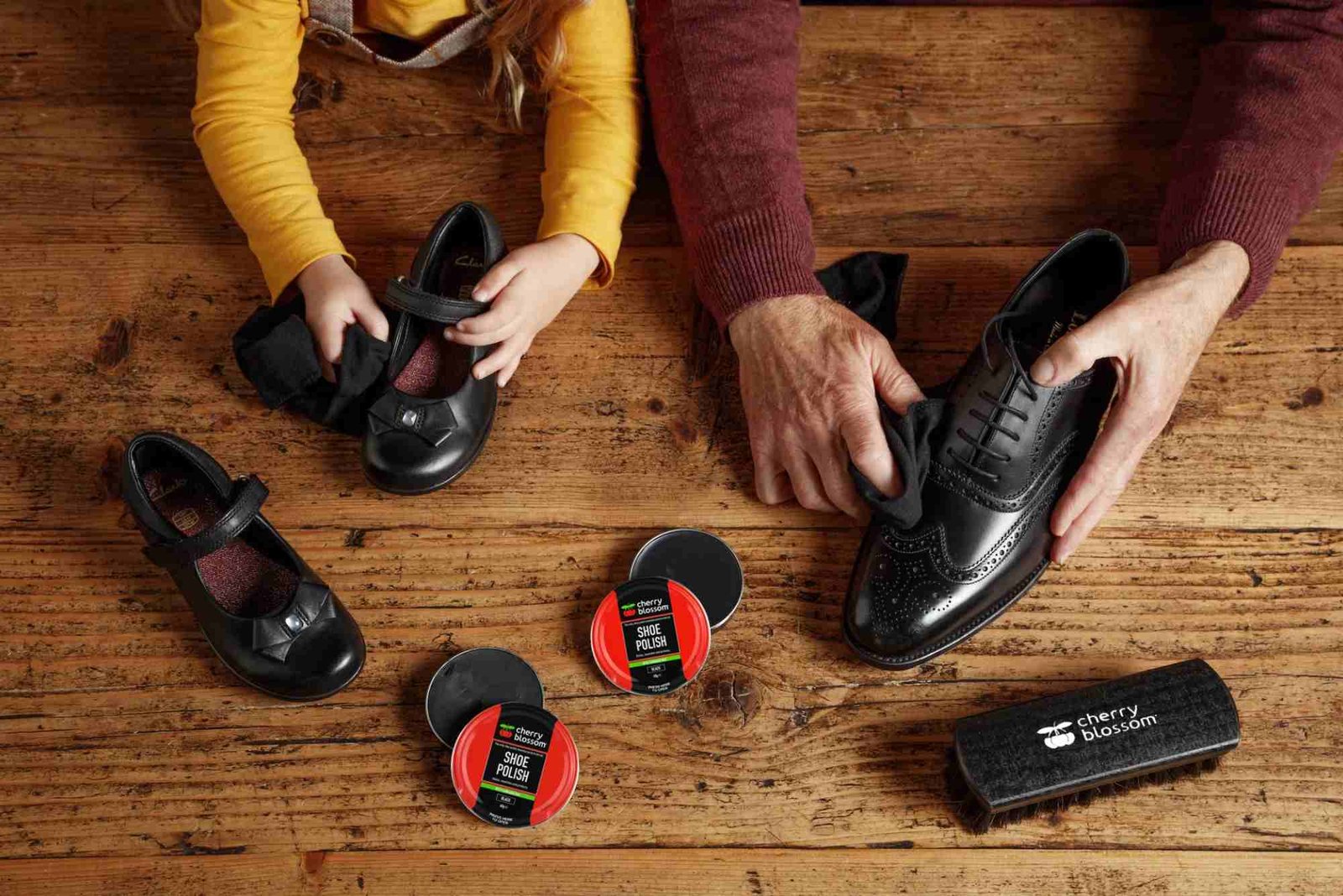
Shoes lose their supportive properties over time. Worn-out insoles, compressed cushioning, and deformed soles reduce comfort and increase the risk of injury. Rotate your shoes regularly, allowing them to air out and retain shape. Clean shoes according to the manufacturer’s instructions to maintain material integrity. Generally, replace athletic shoes every 300–500 miles of use or every 6–12 months depending on activity. Regular maintenance prolongs shoe life and ensures continuous support for your feet.
Common Mistakes in Shoe Shopping
Many shoppers make avoidable mistakes, such as buying shoes based on size alone or ignoring arch type. Shopping without trying shoes on or relying solely on online sizing charts often results in discomfort. Choosing fashion over function, neglecting heel support, and wearing worn-out shoes are other common pitfalls. Avoid these errors by focusing on fit, function, and quality, ensuring every purchase supports foot health.
Benefits of Investing in Healthy Shoes
Proper footwear offers more than comfort. It prevents foot deformities, reduces fatigue, and improves posture. People with chronic foot pain or conditions like plantar fasciitis benefit significantly from shoes with the right support. Quality shoes enhance mobility, confidence, and overall well-being. Investing in healthy shoes now can save you from costly medical issues in the future.
Shoe shopping that saves your feet is about making informed, thoughtful choices. Understanding foot type, prioritizing comfort, choosing the right fit, and investing in supportive materials all contribute to long-term foot health. Avoiding common mistakes and maintaining your shoes ensures they continue to protect your feet over time. By following these guidelines, you can step confidently in comfort and style. Take the first step today—assess your foot type, explore supportive options, and make your next shoe purchase a smart one. Your feet will thank you.
FAQs
What type of shoes is best for flat feet?
Shoes with good arch support and cushioned insoles are ideal for flat feet. Avoid completely flat shoes.
How often should I replace my shoes?
Replace athletic shoes every 6–12 months or after 300–500 miles of use. Casual shoes may last longer if well-maintained.
Are high heels harmful to feet?
Regular high heel use can cause bunions, joint pain, and posture problems. Opt for lower heels or supportive wedges.
How do I know my shoe size has changed?
Measure your feet periodically. Weight changes, age, and activity can affect shoe size. Fit should be reassessed every year.
Can insoles make any shoe more comfortable?
Yes, cushioned or custom insoles enhance comfort, provide arch support, and reduce foot strain, even in everyday shoes.
Is it better to shop for shoes in the morning or evening?
Evening is better because feet swell during the day, giving a more accurate fit when shoes are worn for extended periods.
How do I prevent blisters in new shoes?
Gradually break in new shoes, wear cushioned socks, and ensure proper fit to reduce friction and pressure points.