Introduction
Taking your dog along for a drive can be one of the best parts of pet ownership, whether you are heading to the veterinarian, visiting family, or taking a long road trip. But allowing a dog to move freely around the vehicle creates risks for both the animal and the people inside. That is why choosing the best dog seat belts and crash-tested car hammocks deserves more attention than simply buying the first restraint that clips into a seat-belt buckle.
A proper dog car safety setup has two different jobs. A restraint is designed to limit your dog’s movement and, when independently crash-tested, provide measurable protection during a collision. A car hammock is primarily designed to create a contained back-seat area, reduce slipping, and protect upholstery from hair, mud, claws, and accidents. A hammock by itself should not be mistaken for a crash-tested restraint.
The most important consideration is therefore not how attractive a product looks in a product photo. It is whether the restraint has been properly tested, fits your dog correctly, attaches as intended, and works with your vehicle.
Why Dog Seat Belts Matter for Backseat Safety
A loose dog can become a dangerous projectile during sudden braking or a collision. Even a relatively small dog can be thrown forward with substantial force. Beyond the risk of injury to the dog, an unrestrained animal can strike passengers, interfere with the driver, or escape through an open door after an accident.
A properly designed restraint helps keep a dog within a controlled area of the vehicle. Independent testing organizations such as the Center for Pet Safety evaluate pet restraints using dynamic crash testing rather than simply checking whether a buckle or strap can hold weight. Recent testing coverage explains that CPS testing examines factors such as excursion distance, harness movement, and whether the restraint remains intact during impact.
This distinction is important because many products marketed as “dog seat belts” are actually simple tethers. A tether may restrict your dog’s movement during ordinary driving, but that does not automatically mean it has been proven to protect the dog in a crash.

For serious backseat safety, look beyond the words “heavy duty” or “car safe.” Look for identifiable crash-testing information, the tested weight range, and instructions for proper installation.
What Makes the Best Dog Seat Belts Different?
The best dog seat belts are not necessarily the ones with the thickest straps or the most impressive-looking metal clips. Their safety depends on how the entire restraint system works with the dog’s body and the vehicle.
Crash testing is more important than marketing language
One of the biggest problems in the pet travel market is the loose use of terms such as “crash tested.” A product may have been subjected to some form of testing without having passed an independent certification program.
Independent testing provides much more useful information because it can evaluate the complete restraint under controlled conditions. Current testing guidance emphasizes that buyers should look for the name of the testing organization, the protocol used, and actual certification or published results rather than accepting an unexplained “crash-tested” claim.
The Center for Pet Safety, for example, conducts dynamic testing at approximately 30 mph and evaluates how restraint systems behave during impact. The organization has certified specific harnesses, carriers, and crates, but that does not mean every product in those categories has been tested or approved.
A harness is usually more appropriate than a collar
A vehicle restraint should connect to a properly designed body harness rather than a dog’s neck collar. A collar is intended for identification and everyday handling, not for absorbing crash forces.
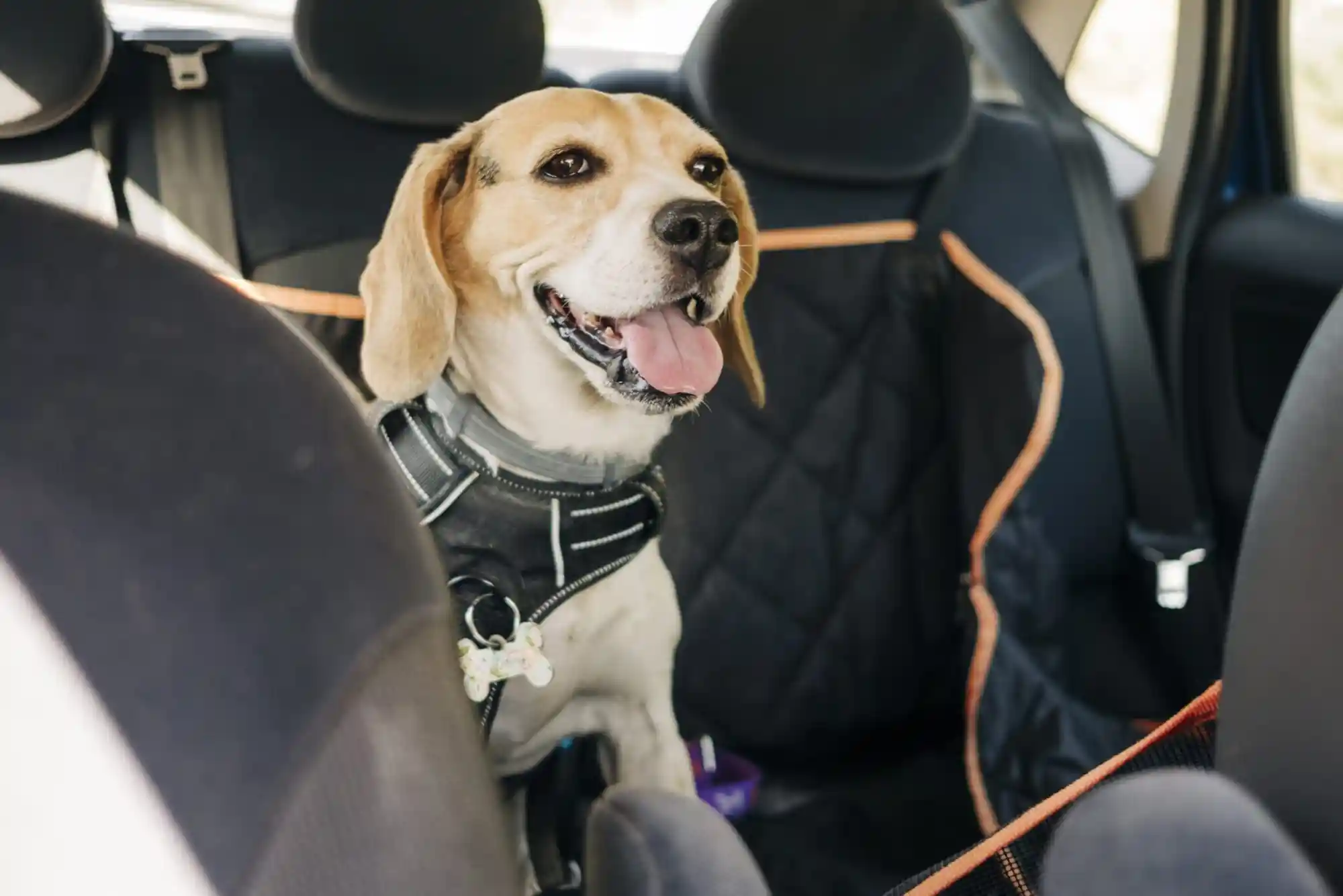
A crash-tested harness distributes forces over stronger areas of the dog’s body. The design, fit, attachment points, and tether arrangement all matter. Simply attaching a standard walking harness to a seat-belt tether should not be treated as equivalent to using a restraint engineered and tested for vehicle travel.
Correct sizing is essential
Even a well-tested harness can perform poorly if it does not fit the dog correctly. The harness should correspond to the dog’s actual weight and body shape according to the manufacturer’s instructions.
A loose harness may allow excessive movement, while an incorrectly fitted restraint may place pressure in the wrong location. Before a long trip, allow your dog to wear the harness at home and during short drives so you can check for rubbing, escape attempts, or discomfort.
Are Dog Car Hammocks Actually Safe?
Dog car hammocks are extremely useful, but their role is often misunderstood.
A hammock stretches between the front and rear headrests and creates a barrier across the back-seat area. It can prevent a dog from climbing into the front cabin, falling into the footwell, or sliding around the upholstery. It can also protect the seats from muddy paws, shedding, drool, and scratches.
However, a hammock should not be considered a substitute for a crash-tested restraint. Current safety guidance distinguishes between a hammock’s containment and upholstery functions and the actual crash protection provided by a tested harness, secured carrier, or crate.
In other words, a hammock can improve the environment around the dog without being the device that protects the dog during a collision.
The best setup combines both products
For many backseat travelers, the most practical arrangement is a properly fitted crash-tested harness combined with a well-designed hammock underneath.
The harness handles restraint. The hammock provides a stable, easier-to-clean surface and helps prevent the dog from dropping into gaps around the seats.
This combination also solves a common problem with ordinary seat covers: a dog may be safely restrained but still have difficulty maintaining footing on a slippery leather or fabric seat. A quality hammock can provide a more consistent travel surface while leaving access to the vehicle’s seat-belt system.
What to Look for in a Crash-Tested Car Hammock
Since a hammock is not the primary crash restraint, focus on features that improve containment, usability, and compatibility with the restraint system.
A strong hammock should attach securely to the vehicle’s headrests and remain reasonably stable during normal driving. Waterproof or water-resistant fabric can make cleanup easier, particularly for dogs returning from beaches, parks, hiking trails, or rainy walks.
Seat-belt openings are especially useful. They allow human passengers to use the rear seats and, more importantly, make it possible to access the vehicle’s belt system without removing the entire hammock. Consumer questions about hammock designs frequently focus on whether the cover provides access to the seat-belt buckles, which highlights how important compatibility is in everyday use.
A hammock should also fit the vehicle properly. If it is too narrow, it may leave gaps that allow the dog to climb underneath. If it is too large, excess fabric can bunch up and become inconvenient.
Choosing a Dog Seat Belt for Different Dogs
The right restraint depends heavily on your dog’s size, body shape, temperament, and travel habits.
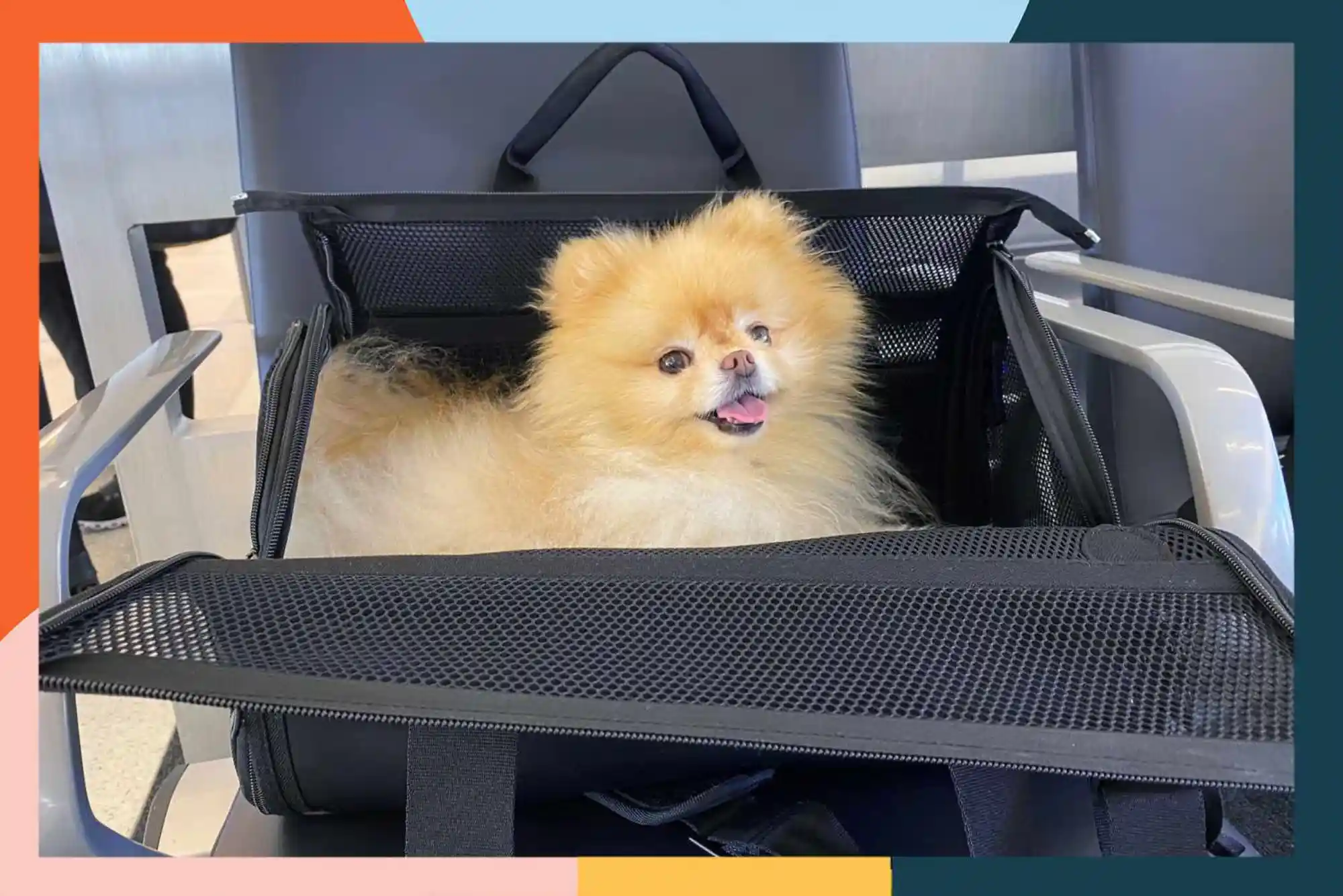
Small dogs may require a specialized harness or carrier system rather than a conventional restraint designed for larger breeds. Some small dogs are also more comfortable traveling in a properly secured carrier because it provides a defined space around them.
Medium and large dogs generally need a harness designed specifically for vehicle restraint. For bigger dogs, pay particular attention to the manufacturer’s maximum tested weight. Current 2026 testing coverage identifies several Sleepypod Clickit models among independently certified harnesses, with specific weight limits that vary by model.
Dogs with narrow or deep chests can also require different harness geometry from broad-chested breeds. Never assume that one harness size or design will fit every dog simply because two dogs weigh the same.
How to Install a Dog Seat Belt Correctly
Correct installation is just as important as buying a quality restraint.
Start by reading the manufacturer’s instructions instead of assuming that every dog seat belt attaches in the same way. Some systems work with the vehicle’s seat-belt webbing, while others connect to designated vehicle hardware.
Position the dog in the rear seating area whenever possible. Keep the restraint free of unnecessary slack, but do not tighten it so much that it restricts normal breathing or movement.
Avoid adding homemade extensions, extra straps, or long tether arrangements unless they are specifically approved for the restraint. Crash testing has shown that the geometry and length of a restraint system can affect how far an animal moves during an impact.
Before driving, check that clips are completely engaged and that the harness is sitting in its intended position. Inspect the webbing and attachment points regularly for fraying, cuts, damaged stitching, or bent hardware.
Common Mistakes to Avoid With Dog Car Safety
One of the most common mistakes is assuming that a product is crash-tested simply because its packaging says “safety.” Without a named testing organization and identifiable protocol, that statement tells you very little.
Another mistake is attaching a tether to a collar. A vehicle restraint is not a replacement for a normal walking leash, and a collar is not designed to handle collision forces.
It is also a mistake to allow a dog to ride in the front passenger seat. Airbags are designed around human occupants and can create severe hazards for animals.
Finally, do not confuse containment with crash protection. A dog may remain inside a hammock during ordinary braking and still be inadequately restrained during a serious collision. A hammock can complement a proper restraint, but it should not replace one.
How to Make Your Dog Comfortable With a Car Restraint
Safety equipment works best when your dog accepts it calmly.
Start by introducing the harness inside your home. Let your dog sniff it and wear it for short periods without immediately going for a drive. Reward relaxed behavior so the harness becomes associated with positive experiences.
Next, take short trips before attempting a long journey. Keep the first drives brief and observe whether your dog pants excessively, tries to escape the harness, becomes restless, or repeatedly changes position.
A hammock can make the back seat feel more like a defined personal space. Adding a familiar blanket can also make the environment less unfamiliar, provided the blanket does not interfere with the restraint.
Never sacrifice restraint quality simply because a dog initially dislikes wearing it. Instead, use gradual training to help the dog become comfortable with the equipment.
Dog Seat Belt vs. Car Hammock: What Is the Difference?
A dog seat belt or crash-tested harness and a car hammock are not competing products. They solve different problems.
The restraint is responsible for limiting the dog’s movement and, when independently crash-tested, providing evidence of performance during an impact. The hammock is primarily responsible for creating a contained back-seat environment, improving comfort, and protecting the vehicle interior.
For this reason, comparing them as if one should replace the other can lead to a poor safety decision. A dog can have a comfortable hammock and still need a proper restraint.
The strongest everyday arrangement for many dogs is a properly fitted, independently tested restraint combined with a hammock that has openings for the vehicle’s seat belts and does not interfere with the restraint.
Build a Safer Backseat Setup for Your Dog
Choosing the best dog seat belts and crash-tested car hammocks is ultimately about understanding what each piece of equipment is designed to do. A hammock can make the back seat cleaner, more comfortable, and more contained, but it is not a substitute for a crash-tested restraint. A properly fitted vehicle harness or other independently tested restraint provides the safety function that a seat cover cannot.
Before your next drive, check your dog’s harness fit, inspect the restraint for damage, confirm that it is compatible with your vehicle, and make sure the hammock does not interfere with the seat-belt system. Most importantly, look beyond marketing claims and verify whether the restraint has actually been tested by a credible organization.
FAQS
Are dog seat belts actually safe?
They can be, but not every product sold as a dog seat belt provides the same level of protection. A simple tether and an independently crash-tested harness are different products. Look for identifiable testing information, appropriate weight limits, and correct installation. Independent testing is much more meaningful than an unexplained “crash-tested” label.
Is it safer for dogs to wear a harness or be in a crate?
Both can provide effective protection when the specific product is properly designed, secured, and tested for vehicle use. The right option depends on the dog’s size, behavior, vehicle configuration, and the type of tested equipment being used. Crash-tested harnesses and secured crates are evaluated differently, so certification for one type of product should not automatically be applied to another.
Do dog car hammocks keep dogs safe?
A hammock can help contain a dog in the back seat and prevent access to the front cabin, while also improving comfort and protecting the upholstery. However, a hammock alone should not be considered a crash-tested restraint. Pairing it with a properly fitted crash-tested harness or another appropriate restraint provides a more complete safety setup.
Should a dog wear a seat belt or harness in the car?
For crash protection, a harness specifically designed and tested for vehicle use is preferable to attaching a restraint directly to a collar. A normal walking harness is not automatically equivalent to a crash-tested car harness.
Where is the safest place for a dog in a car?
The back seat is generally preferable to the front passenger seat because front airbags can create additional hazards for animals. The dog should also be properly restrained rather than allowed to move freely around the cabin.
Can a dog sleep in a car hammock while driving?
A dog can rest in a hammock during a drive, but the hammock should not be treated as the restraint. The dog should remain properly secured with an appropriate vehicle restraint while the hammock provides the underlying surface and containment.
What should I look for when buying a dog seat belt?
Check whether the product has independent crash-test certification or clearly documented testing, verify its tested weight range, examine the attachment method, and make sure the harness fits your dog’s body correctly. Avoid relying solely on phrases such as “heavy duty,” “secure,” or “crash tested” without supporting details.