Introduction
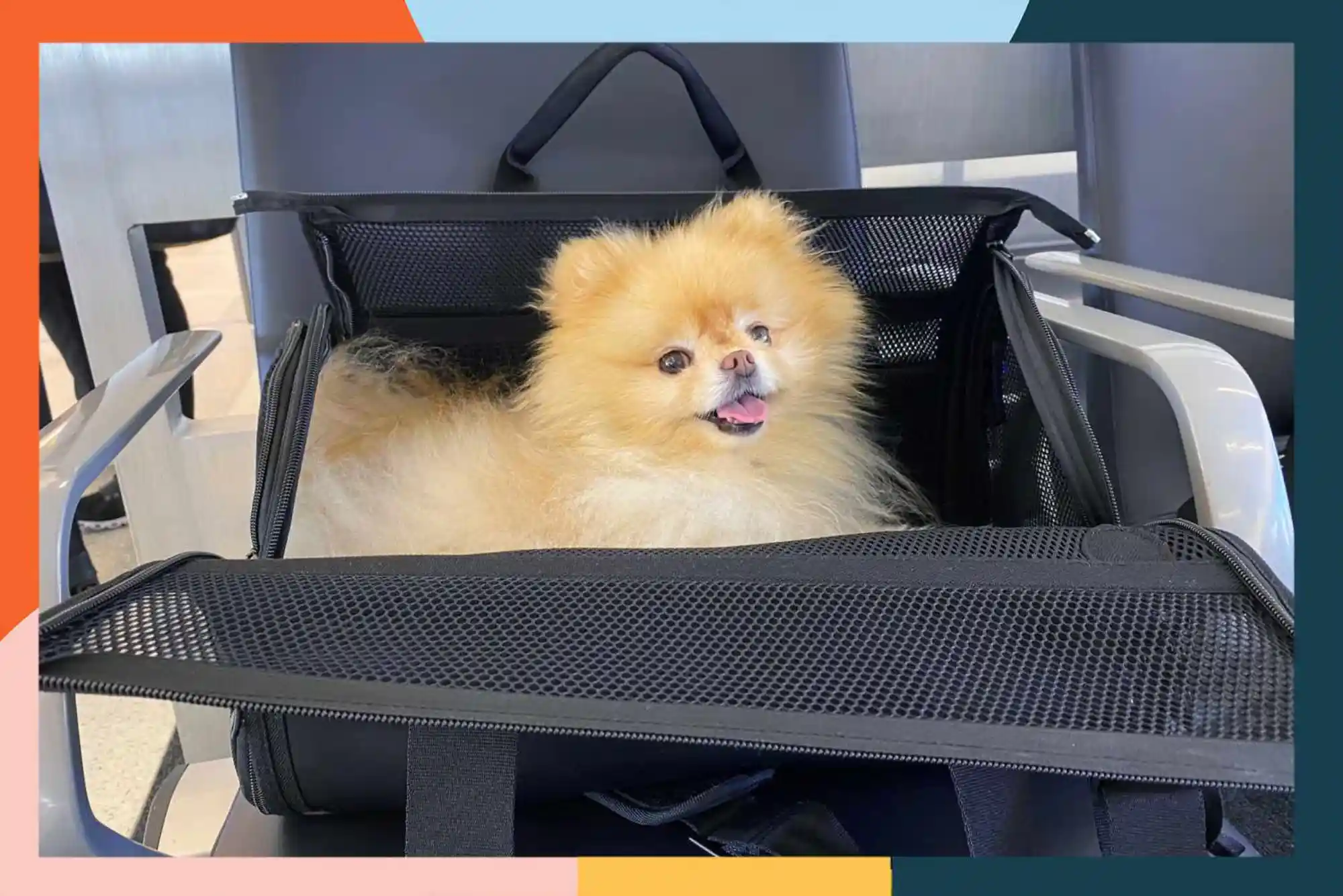
Flying with a dog or cat can be surprisingly complicated. Your pet may be small enough to travel in the cabin, but that does not mean every pet carrier will be accepted. The carrier has to fit beneath the seat, provide enough ventilation, keep your pet secure, and comply with the particular airline’s rules.
That is why choosing among the best airline approved pet carriers for in-cabin flights requires more than looking for an “airline approved” label on a product page. There is no single carrier that every airline approves universally. The Federal Aviation Administration leaves individual pet-cabin policies to airlines, while airlines establish their own carrier and under-seat requirements.
For most travelers, a soft-sided carrier is the practical choice because it can provide some flexibility when the space beneath the seat is tight. American Airlines, for example, recommends soft-sided carriers measuring up to 18 × 11 × 11 inches on its flights, while also noting that the exact under-seat space can vary by aircraft.
This guide explains what to look for, how to measure your pet, why flexible construction matters, and which popular carrier designs are worth considering before your next flight.
What Makes the Best Airline Approved Pet Carriers for In-Cabin Flights?
The phrase “airline approved” can be misleading. IATA does not certify or endorse individual commercial pet-carrier brands or models. Instead, it provides container standards, while the operating airline determines whether the carrier is acceptable for a particular flight.
A good in-cabin carrier therefore needs to satisfy several practical requirements at once.

First, it must be small enough to fit under the seat without interfering with the aisle or aircraft safety requirements. The FAA states that an in-cabin pet container must remain properly stowed beneath the seat during taxi, takeoff, landing, and aircraft movement.
Second, your pet should have adequate room inside the carrier. IATA guidance emphasizes that a dog or cat should be able to stand and sit naturally, turn around, and lie down in a comfortable position.
Finally, ventilation is essential. A carrier that fits under the seat but becomes excessively compressed may restrict airflow. IATA specifically warns that compression of ventilation openings in soft carriers can reduce ventilation and increase heat buildup.
Why Soft-Sided Pet Carriers Usually Work Best
For in-cabin travel, soft-sided carriers are often easier to accommodate than rigid kennels. Their flexible construction allows some adjustment when the available under-seat space is slightly different from the carrier’s advertised dimensions.
This does not mean a soft carrier can be squeezed into any space. Excessive compression can reduce your pet’s usable room and potentially interfere with ventilation. The goal is controlled flexibility, not simply buying the largest bag possible.
A spring-wire frame is one useful design feature. The Sherpa Original Deluxe, for example, uses a spring-wire frame that allows the rear portion of the carrier to be pushed down beneath the seat. Sherpa also incorporates mesh ventilation, locking zippers, a luggage strap, and a removable washable liner.
Flexible-height construction is another approach. The SturdiBag Pro 2.0 uses adjustable height rods that allow the carrier to adapt to different aircraft seat spaces. Its manufacturer specifically recommends checking the airline’s current requirements because dimensions vary between airlines.
Sleepypod Air: A Premium Choice for Frequent Travelers
Among premium options, the Sleepypod Air stands out because it is designed around both airline travel and ground transportation.
The carrier measures approximately 16 to 22 inches long, 10.5 inches wide, and 10.5 inches high, with an adjustable length that allows it to contract for under-seat use. Sleepypod recommends it for pets weighing up to 18 pounds and says the carrier has been independently crash-tested and certified by the Center for Pet Safety.
Its four-sided mesh ventilation is particularly useful for air travel. The carrier also has a firm bottom, removable bedding, a privacy panel, luggage-handle sleeve, and safety tether.
The important point is that a carrier’s maximum weight rating does not automatically mean every pet of that weight will fit comfortably. A long-bodied cat, stocky dog, or tall pet may require a different internal shape even when its weight is within the manufacturer’s range.
For travelers who regularly combine car journeys and flights, the Sleepypod Air’s dual-purpose design can be especially practical.
Sherpa Original Deluxe: Flexible Under-Seat Design
The Sherpa Original Deluxe is another well-established option for in-cabin travel. Its spring-wire structure allows part of the carrier to flex downward, which can make a difference when the space under the seat is lower than expected.
One useful feature is Sherpa’s Guaranteed On Board program on eligible carriers and participating airlines. The company also publishes aircraft-specific under-seat information, illustrating an important reality of flying with pets: available space can vary significantly according to aircraft and seat configuration.
That aircraft variation is why travelers should not assume that a carrier that worked on one flight will automatically work on another.
The Original Deluxe also includes locking zippers, mesh panels, a washable liner, and a strap that can function as a luggage attachment. These features make it practical beyond the airport as well.
SturdiBag Pro 2.0: Useful When Seat Height Varies
The SturdiBag Pro 2.0 takes a different approach to under-seat flexibility. Its patented flex-height design allows the carrier to adjust to different seat configurations.
The Small model measures 18 × 10 × 9.25 inches, while the Large measures 18 × 11.5 × 11.5 inches. The manufacturer says its soft-sided carriers are designed for most major airlines, while emphasizing that airline requirements should always be checked before departure.
This type of adjustable construction can be helpful for connecting flights, particularly when two aircraft have noticeably different under-seat spaces.
The carrier also provides mesh ventilation, an interior safety tether, storage pockets, padded carrying straps, and a washable fleece pad.
How to Choose the Right Carrier Size
The most common mistake is choosing a carrier based only on your pet’s weight.
Weight matters, but body dimensions matter just as much. Before purchasing, measure your pet while standing naturally. Pay attention to overall body length, shoulder width, and standing height.
Your pet should not have to remain hunched over simply because the carrier technically fits under the aircraft seat.
IATA’s guidance uses the animal’s physical measurements when determining appropriate container dimensions and emphasizes the ability to stand, sit, turn around, and lie down naturally.
At the same time, cabin travel creates a practical compromise because the carrier must fit beneath the seat. Very large dogs and cats therefore may not be suitable for in-cabin travel even if they would be comfortable in a larger carrier.
The best approach is to identify your airline’s maximum dimensions first and then select the smallest carrier that still provides your pet with appropriate internal space.
Always Check Your Airline Before Buying
One of the biggest misconceptions about the best airline approved pet carriers for in-cabin flights is that a product described as “airline approved” is automatically accepted everywhere.
It is not.
Airlines can have different requirements, and some rules can vary depending on aircraft, route, cabin, or seat configuration. The FAA explicitly advises passengers to contact their airline because individual airlines determine whether pets can travel in the cabin and what procedures apply.
American Airlines, for instance, publishes an 18 × 11 × 11-inch soft-sided carrier guideline but notes that non-collapsible carriers cannot exceed the under-seat dimensions of the aircraft involved in the journey.
IATA likewise recommends contacting the airline and checking the requirements that apply to the specific journey.
For a connecting itinerary, check every operating airline rather than only the airline that issued your ticket.
Features That Matter More Than Appearance
A stylish carrier may look excellent online but perform poorly during a long travel day. Look for practical construction instead.
Ventilation should be generous and positioned on multiple sides. Zippers should be secure, particularly for pets that become nervous in unfamiliar surroundings. A stable base helps prevent the carrier from sagging around your pet. Washable bedding is also extremely useful because accidents can happen during stressful journeys.
A luggage sleeve can make airport transfers easier, while a padded shoulder strap can reduce fatigue during long walks between terminals.
A safety tether may also help prevent an escape when the carrier is opened in a controlled location. However, the tether should never be treated as a substitute for a properly secured carrier.
Prepare Your Pet Before the Flight
Even the best carrier cannot eliminate travel stress if your pet has never used it before.
Introduce the carrier well before your departure date. Leave it open at home and allow your pet to investigate it voluntarily. Gradually add bedding and familiar smells, and reward calm behavior.
The goal is for the carrier to become a familiar resting place rather than something that only appears immediately before a stressful trip.
IATA recommends familiarizing dogs and cats with their travel containers well before the journey. It also advises against routine sedation because tranquilization can affect an animal’s ability to respond to travel stress. Any medication decision should be discussed with a veterinarian.
What to Do Before Airport Check-In
Before leaving home, check the carrier for damaged mesh, loose seams, faulty zippers, or a weakened base.
Confirm your airline’s current pet policy, carrier dimensions, pet reservation requirements, and applicable fees. If your itinerary includes more than one airline, verify each operating carrier.
It is also smart to test the carrier with your pet inside it before the travel day. Make sure the carrier can be comfortably carried through the airport and that your pet remains calm when the carrier is moved.
Do not rely solely on an old airline policy screenshot or a product description. Airline requirements can change, and aircraft substitutions can affect available under-seat space.
Choosing the Right In-Cabin Pet Carrier
Finding the best airline approved pet carriers for in-cabin flights is ultimately about matching three things: your pet’s body size, your carrier’s construction, and your airline’s exact under-seat requirements.
A flexible soft-sided design can make under-seat travel easier, but flexibility should never come at the expense of ventilation or your pet’s comfort. Models such as the Sleepypod Air, Sherpa Original Deluxe, and SturdiBag Pro 2.0 demonstrate different approaches to solving the same problem: safely transporting a small pet within the limited space available in an aircraft cabin.
Before buying, measure your pet, check the airline’s current carrier dimensions, verify the rules for every flight segment, and give your pet plenty of time to become comfortable with the carrier.
FAQs
What size pet carrier will fit under an airplane seat?
There is no single size that fits every aircraft. Many U.S. airlines use dimensions around 18 × 11 × 11 inches for soft-sided carriers, but requirements vary. American Airlines currently publishes 18 × 11 × 11 inches for soft-sided carry-on pet carriers while noting that actual under-seat dimensions can vary by aircraft.
What is the best airline approved pet carrier for a small dog?
The right carrier depends on your dog’s body measurements and the airline you are flying. Popular designs include the Sleepypod Air, Sherpa Original Deluxe, and SturdiBag Pro 2.0 because they combine soft construction with features intended for under-seat travel. Always compare the carrier’s actual dimensions with your airline’s current rules.
Can I take a soft pet carrier on a plane?
Yes, many airlines allow soft-sided carriers for pets traveling in the cabin, provided the carrier and pet meet the airline’s requirements. The carrier generally needs to remain underneath the seat during flight.
Does an airline-approved pet carrier really need to fit under the seat?
Yes. For cabin travel, the pet carrier generally must be properly stowed under the seat in front of you. The FAA requires an approved in-cabin pet container to remain properly stowed during aircraft movement, takeoff, and landing.
Can my pet stand up inside an airline carrier?
The carrier should be appropriately sized for the animal. IATA guidance says the animal should be able to stand and sit erect, turn around normally, and lie down in a natural position.
Are hard-sided pet carriers allowed on airplanes?
Some airlines permit them, but cabin restrictions can make soft-sided carriers more practical. The exact rules depend on the airline and aircraft. Always check the current policy before purchasing or traveling.
How do I know if my cat or dog is too big for an in-cabin carrier?
Measure your pet’s height, width, and body length rather than relying only on weight. If the animal cannot comfortably maintain a natural position inside a carrier that also fits beneath the aircraft seat, in-cabin travel may not be appropriate.
Should I sedate my pet before flying?
Routine sedation is generally discouraged for air travel. IATA warns that tranquilizers can reduce an animal’s ability to respond to travel stress. If you believe your pet needs medication for travel, discuss it with your veterinarian beforehand.