
Road Tripping with Dogs: 10 Essential Safety Tips and Packing Checklist
Introduction
Road Tripping with Dogs: 10 Essential Safety Tips and Packing Checklist can make travelling with your four-legged companion much easier. A road trip offers freedom, flexibility and plenty of opportunities to explore new places together. However, travelling with a dog requires more preparation than simply putting a lead in the car.
Dogs can become anxious during long journeys. They may also experience motion sickness, dehydration or discomfort if proper breaks are not planned. Therefore, responsible preparation is essential before setting off.
A safe journey begins several days before departure. Consider your dog’s health, temperament, travel experience and specific needs. You should also prepare the vehicle and pack familiar items that can help your pet feel secure.
Whether you are planning a short countryside drive or a longer adventure, these practical recommendations can help. With the right preparation, your next Road Trip With Pets can be enjoyable for everyone.
Road Tripping with Dogs: 10 Essential Safety Tips and Packing Checklist
Before leaving home, think about what your dog needs throughout the journey. Food, water and identification are obvious essentials, but safety equipment is equally important.
Your dog should never travel loose inside the vehicle. Sudden braking can cause serious injuries to an unsecured animal. A dog can also distract the driver by moving between seats or approaching the steering area.
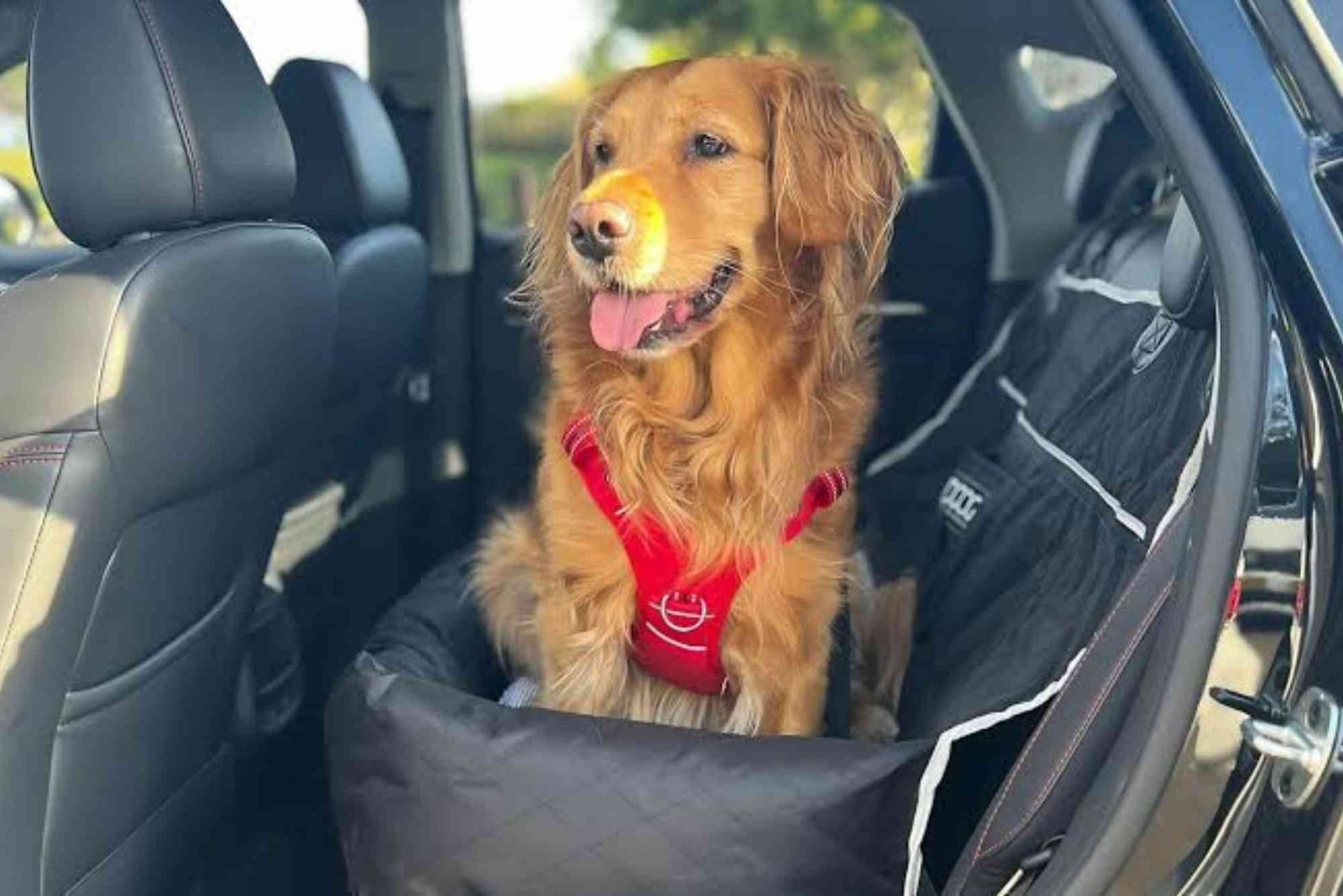
Instead, use an appropriately sized travel crate, secured carrier or properly fitted harness. The restraint should allow your dog to sit, stand and turn comfortably without restricting normal movement.
Keep Your Dog Properly Restrained
A suitable restraint is one of the most important parts of Road Tripping with Dogs: 10 Essential Safety Tips and Packing Checklist planning. A crash can turn an unrestrained dog into a dangerous projectile.
Before travelling, introduce your dog to the restraint at home. Let them wear or use it for short periods. This can reduce anxiety when the journey begins.
Crash-tested dog restraints can provide an additional level of protection. When researching equipment, look specifically for independently tested products rather than relying only on marketing claims.
The phrase Crash-Tested Dog Harnesses is useful when searching for safer travel equipment. However, always check compatibility with your vehicle and your dog’s size.
Avoid Letting Your Dog Travel in the Front Seat
The front passenger seat is not an ideal place for a dog. Airbags are designed for humans and can seriously injure an animal during deployment.
The rear passenger area is generally a safer location. Your dog should remain restrained throughout the journey, even when travelling at low speeds.
Never allow your dog to sit on your lap while driving. Apart from creating a distraction, this can prevent you from reacting quickly during an emergency.
Plan Regular Comfort Breaks
Long journeys can be tiring for dogs. Regular stops allow them to stretch, drink water and relieve themselves.
A break also gives your dog an opportunity to release nervous energy. Keep them on a lead whenever you stop near roads, service areas or unfamiliar surroundings.
Avoid opening the vehicle door before your dog is securely restrained. Excited dogs can escape surprisingly quickly.
Never Leave Your Dog Alone in a Hot Car
Heat is one of the biggest risks during summer travel. Temperatures inside parked vehicles can rise rapidly, even when windows are slightly open.
Therefore, never leave your dog unattended inside a parked car on a warm day. Parking in the shade does not provide reliable protection because the sun moves throughout the day.
If you need to visit a location where dogs are not permitted, arrange another solution. Your pet’s safety should always take priority.
Keep Fresh Water Available
Dogs need regular access to fresh drinking water during road journeys. Bring more water than you expect to use because delays can happen.
A collapsible travel bowl is particularly convenient. It takes little space and can be used during motorway stops, walks and overnight stays.
Offer small amounts regularly rather than allowing your dog to drink excessively after becoming very thirsty. This can help maintain comfortable hydration during the journey.
Preparing a Practical Dog Travel Kit
A well-prepared travel kit can prevent unnecessary problems. Pack familiar food rather than suddenly changing your dog’s diet while travelling.
Your dog’s usual meals should be measured before departure. Keeping feeding times close to their normal routine can also help reduce digestive problems.
You should also carry identification information and important contact details. A collar tag should contain current information, while your dog’s microchip details should be up to date.
The following table provides a practical overview of useful travel items and their purpose.
| Travel Item | Why It Matters | Recommended Preparation |
|---|---|---|
| Secure harness or crate | Helps protect your dog during sudden stops | Test it before travelling |
| Fresh water | Prevents dehydration | Carry extra supplies |
| Travel bowl | Makes drinking easier during stops | Keep it accessible |
| Familiar food | Reduces dietary disruption | Pack normal meals |
| Lead and spare lead | Provides control during breaks | Keep one within reach |
| Waste bags | Helps maintain clean stops | Carry more than expected |
| Towel or blanket | Provides comfort and protects seats | Use a familiar item |
| Medication | Supports existing treatment needs | Pack enough for the entire trip |
| Identification details | Helps if your dog becomes lost | Check information beforehand |
| Basic first-aid supplies | Useful for minor emergencies | Store them safely |
Helping Your Dog Feel Comfortable
Safety is important, but emotional comfort should not be overlooked. Some dogs become nervous as soon as they hear a car engine.
If your dog dislikes travelling, begin with short journeys before attempting a long road trip. Gradually increase the distance as they become more comfortable.
Keep the vehicle temperature pleasant and provide adequate ventilation. However, avoid directing strong air conditioning directly at your dog for extended periods.
Familiar smells can also be reassuring. A favourite blanket or toy can make the vehicle feel less unfamiliar.
If your dog experiences severe anxiety, speak with your vet before travelling. Do not give calming medication unless it has been recommended specifically for your pet.
Food and Feeding During a Road Trip
Feeding requires careful timing during Road Tripping with Dogs: 10 Essential Safety Tips and Packing Checklist preparation. A large meal immediately before travelling may increase the likelihood of nausea.
Instead, consider feeding your dog several hours before departure. Keep meals consistent with their normal diet and avoid unfamiliar treats.
If your dog is prone to motion sickness, discuss suitable options with a veterinary professional. Some dogs benefit from dietary adjustments or prescribed treatment.
Keep food stored securely inside the vehicle. This prevents unnecessary mess and discourages your dog from eating while the car is moving.
Planning Dog-Friendly Stops
A successful road trip depends partly on where you stop. Research suitable rest areas, parks and accommodation before departure.
When travelling through unfamiliar areas, check whether dogs are permitted before arriving. Rules can differ between accommodation providers, beaches, attractions and public spaces.
If you are planning a longer Road Trip With Pets, allow extra time for your dog’s needs. A journey that takes five hours without a pet may take considerably longer with regular comfort breaks.
This additional time should not be viewed as an inconvenience. It can make the journey calmer and more enjoyable for both you and your dog.
Keeping Your Vehicle Clean
Dogs can bring mud, hair and water into the vehicle. Preparing the interior beforehand makes cleaning much easier.
A washable seat cover can protect upholstery from dirt and accidental spills. Keep an old towel nearby after outdoor stops.
Grooming your dog before departure can also reduce loose hair. However, do not make major grooming changes immediately before travelling if your dog becomes uncomfortable afterwards.
For moving house or relocating with a pet, professional support may also be helpful. Services such as Sundaymoves can be considered when transporting belongings while you focus on your dog’s comfort and travel arrangements.
What to Do During an Emergency
Even careful travellers can experience unexpected problems. A flat tyre, traffic delay or mechanical failure can extend your journey significantly.
Keep your dog’s essentials somewhere accessible rather than buried beneath luggage. Water, food, leads and identification details should be easy to reach.
If you experience a breakdown, keep your dog safely restrained. Do not allow them to wander around a roadside area.
If your dog becomes injured or seriously unwell, contact a veterinary service as soon as possible. Researching emergency veterinary facilities along your route before departure can save valuable time.
Road Tripping with Dogs: 10 Essential Safety Tips and Packing Checklist for Overnight Travel
Overnight journeys require additional preparation. Your dog may need familiar bedding, food and feeding equipment at your accommodation.
Check the property’s pet rules before booking. Some places impose restrictions on dog size, breed, room access or unattended pets.
Maintain your dog’s normal routine as much as possible. Familiar meal times and regular walks can make an unfamiliar environment easier to manage.
You should also inspect the room before allowing your dog to explore. Remove accessible hazards such as loose cables, small objects or unsuitable food.
Is It Safe to Take a Dog on a Long Car Journey?
Is it safe to take a dog on a long car journey?
Yes, most healthy dogs can travel safely on long car journeys when suitable precautions are taken. The journey should include regular breaks, proper restraint, fresh water and appropriate ventilation.
However, individual dogs have different needs. Puppies, older dogs and dogs with existing health concerns may require additional consideration.
If you are uncertain about your dog’s ability to travel, consult your vet before departure.
How Long Can a Dog Stay in a Car?
How long can a dog stay in a car?
There is no universally safe amount of time for leaving a dog alone in a vehicle. Temperature, ventilation and weather conditions can change rapidly.
The safest approach is not to leave your dog unattended in a parked car. Even mild outdoor temperatures can become dangerous inside a vehicle.
During Road Tripping with Dogs: 10 Essential Safety Tips and Packing Checklist planning, organise stops where your dog can remain safely with you.
Should Dogs Wear a Harness in the Car?
Should dogs wear a harness in the car?
A properly fitted travel harness can help prevent a dog from moving freely around the vehicle. However, not every harness is designed for vehicle restraint.
Choose equipment specifically intended for car travel. Follow the manufacturer’s fitting and attachment instructions carefully.
Crash-tested products can offer additional reassurance because they have undergone safety testing. Nevertheless, correct fitting remains essential.
Can Dogs Travel on Long Road Trips?
Can dogs travel on long road trips?
Yes, many dogs travel successfully on long road trips. Preparation is particularly important for dogs that are unfamiliar with extended journeys.
Start with shorter drives and gradually increase travel time. Observe how your dog responds and adjust your plans accordingly.
Regular breaks, familiar items and consistent feeding can make longer journeys considerably easier.
Conclusion
Road Tripping with Dogs: 10 Essential Safety Tips and Packing Checklist is ultimately about preparation, patience and responsible decision-making. A secure restraint, regular breaks, fresh water and suitable travel supplies can make a significant difference.
Before setting off, consider your dog’s physical and emotional needs. Prepare the vehicle, check identification details and plan suitable stops along your route.
Most importantly, never compromise on safety for convenience. A few extra minutes spent preparing can prevent serious problems later.
If you are planning your next journey, use this guide as your starting point. Prepare your dog’s travel kit, check your safety equipment and map out dog-friendly stops before you leave. With thoughtful planning, your next road adventure can be safer, calmer and more enjoyable for both you and your loyal companion.