
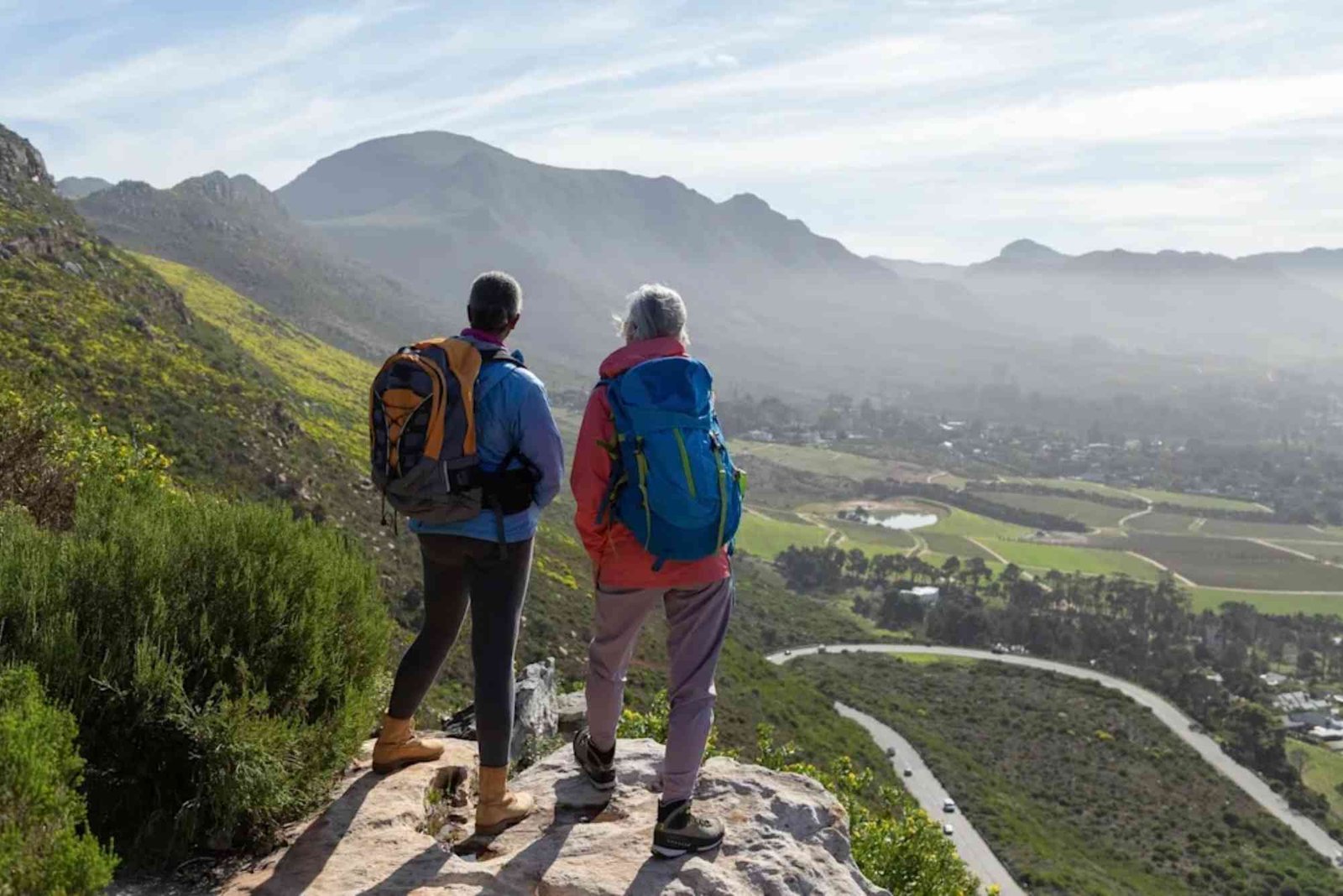
Italy is a hiker’s paradise, offering everything from rugged mountain ranges to serene coastal paths. With its diverse landscapes, rich history, and stunning vistas, hiking in Italy provides an unforgettable experience for outdoor enthusiasts of all skill levels. Whether you’re drawn to the towering Dolomites, the rolling hills of Tuscany, or the scenic Amalfi Coast, this complete hiking guide to Italy will help you plan your adventure, choose the best trails, and stay safe while exploring the Italian wilderness.
Understanding Italy’s Hiking Regions
Italy’s geography is incredibly varied, making it ideal for hikers seeking unique experiences. Northern Italy features dramatic alpine landscapes, including the Dolomites and the Italian Alps. These areas are perfect for challenging treks and breathtaking panoramas. Central Italy offers rolling hills, vineyards, and medieval towns, particularly in regions like Tuscany and Umbria. Southern Italy and the islands provide coastal walks, volcanic terrain, and picturesque seaside routes. Understanding the regions will help you select trails that match your interests and experience level.
The Dolomites: A Mountain Wonderland
The Dolomites, recognized as a UNESCO World Heritage site, are renowned for their jagged peaks and vibrant alpine meadows. Trails here range from easy walks to multi-day treks like the Alta Via routes. Hiking in the Dolomites often requires preparation for rapidly changing weather and steep ascents. Many trails are equipped with mountain huts, or rifugi, allowing hikers to rest and enjoy local cuisine. Exploring these trails provides not only physical challenge but also immersive views of some of Italy’s most iconic landscapes.
Tuscany and Umbria: Rolling Hills and Countryside Trails
For those seeking gentler hikes, Tuscany and Umbria provide scenic paths through vineyards, olive groves, and charming medieval villages. Trails in these regions combine natural beauty with cultural experiences, allowing hikers to pause in historic towns or sample local foods. Tuscany’s Via Francigena is a notable pilgrimage route that passes through picturesque towns and scenic valleys, offering a unique way to experience Italy’s countryside at a comfortable pace.
Southern Italy and Coastal Treks
Southern Italy, including the Amalfi Coast and Calabria, offers trails with dramatic coastal cliffs, turquoise waters, and hidden coves. Hiking these paths provides a mix of physical challenge and stunning visual rewards. Coastal trails often include historical landmarks such as ancient fortresses and churches, adding cultural depth to the journey. For island hikes, Sicily and Sardinia provide a combination of rugged mountains and pristine beaches, appealing to those seeking both adventure and relaxation.
Planning Your Hiking Trip in Italy
Proper planning is essential for a successful hiking trip in Italy. Begin by selecting the right trails based on your fitness level, time available, and personal interests. Research the trail conditions, elevation changes, and expected weather patterns. Booking accommodations near trailheads ensures convenience and flexibility, especially in high-season periods when popular areas may become crowded.
Choosing the Right Gear
Selecting the correct hiking gear is critical for comfort and safety. High-quality hiking boots, moisture-wicking clothing, and weather-appropriate layers are essential. Depending on the trail, trekking poles, a map, and a first aid kit may also be necessary. Italy’s climate varies significantly between regions, so lightweight clothing may be ideal for southern coastal hikes, whereas insulated layers are needed for alpine treks. Carrying a backpack with water, snacks, and emergency items is always recommended.
Understanding Trail Difficulty and Safety
Italy’s trails range from easy strolls to strenuous climbs, and understanding trail difficulty ensures an enjoyable experience. Alpine trails may include exposed sections or steep ascents, requiring proper preparation and caution. Familiarizing yourself with trail markers and maps, and knowing emergency contact numbers, is crucial. Avoid hiking alone in remote areas, and always inform someone of your planned route and estimated return time. Seasonal considerations, such as snow in the mountains or heat in southern regions, should also influence your itinerary.
Experiencing Italian Culture on the Trails
Hiking in Italy is not just about physical activity; it offers a chance to experience local culture and traditions. Along many trails, you will encounter small villages, local markets, and artisanal food producers. Rifugi in alpine regions often serve traditional dishes, while rural paths in Tuscany or Umbria provide opportunities to sample regional wines and cheeses. Engaging with local communities adds depth to your hiking adventure and creates memorable cultural experiences.
Seasonal Considerations for Hiking
The timing of your hike greatly affects both your safety and enjoyment. Spring and autumn are ideal for most regions, offering moderate temperatures and fewer crowds. Summer can be perfect for high-altitude hikes but may be uncomfortably hot in southern areas. Winter hiking in the Dolomites is possible but requires specialized equipment and skills. Researching seasonal conditions and adjusting your plans accordingly ensures a more comfortable and safer hiking experience.
Navigating Logistics: Transportation and Accommodation
Italy’s extensive train and bus network makes reaching hiking regions relatively straightforward. Northern areas like the Dolomites are accessible via Bolzano or Cortina d’Ampezzo, The Complete Hiking Guide to Italy: Trails, Planning & Safety while Tuscany’s trails can be reached from Florence or Siena. For southern and island hikes, consider renting a car to access remote trailheads. Accommodation options range from hotels and B&Bs to mountain huts, providing flexibility depending on your route and preferences. Booking in advance is recommended, especially during peak hiking seasons.
Health and Emergency Preparedness
Maintaining health and safety while hiking in Italy is vital. Carry a basic first aid kit, stay hydrated, and pace yourself according to trail difficulty. Know local emergency numbers and the location of nearby medical facilities. Mobile coverage may be limited in remote areas, so having offline maps or GPS devices is beneficial. Following these precautions ensures that your hiking adventure remains safe and enjoyable.
Connecting With Nature Responsibly
Italy’s natural landscapes are precious, and hikers must follow responsible practices. Stick to marked trails, avoid disturbing wildlife, and carry out all waste. Respecting local customs and environmental guidelines helps preserve trails for future generations. Participating in sustainable tourism initiatives, such as supporting local accommodations and products, enhances the positive impact of your hiking trip.
Begin Your Italian Hiking Adventure
Italy offers a remarkable array of hiking experiences, from alpine adventures to gentle countryside walks. By understanding its diverse trails, planning carefully, and prioritizing safety, you can fully immerse yourself in the country’s natural beauty and cultural richness. Whether seeking challenging peaks, scenic valleys, or coastal splendor, Italy provides something for every hiker. Start planning your journey today and create memories that will last a lifetime.
Frequently Asked Questions (FAQ)
What are the best times to hike in Italy?
Spring and autumn are ideal for most regions, with moderate temperatures and fewer crowds. Summer is best for high-altitude trails, while winter is suitable for alpine hikes with proper equipment.
Do I need special permits for hiking in Italy?
Most trails in Italy do not require permits. Some protected areas or national parks may charge entry fees or have restricted zones. Always check local regulations before your hike.
Are Italian trails suitable for beginners?
Yes, Italy has trails for all skill levels. Coastal walks, countryside paths, and well-marked alpine routes cater to beginners and experienced hikers alike.
What should I pack for a hiking trip in Italy?
Essentials include sturdy hiking boots, weather-appropriate clothing, a backpack with water and snacks, a first aid kit, and maps or GPS devices.
Is it safe to hike alone in Italy?
While many trails are safe, hiking with a partner is recommended, especially in remote or mountainous areas. Always inform someone of your route and estimated return time.