
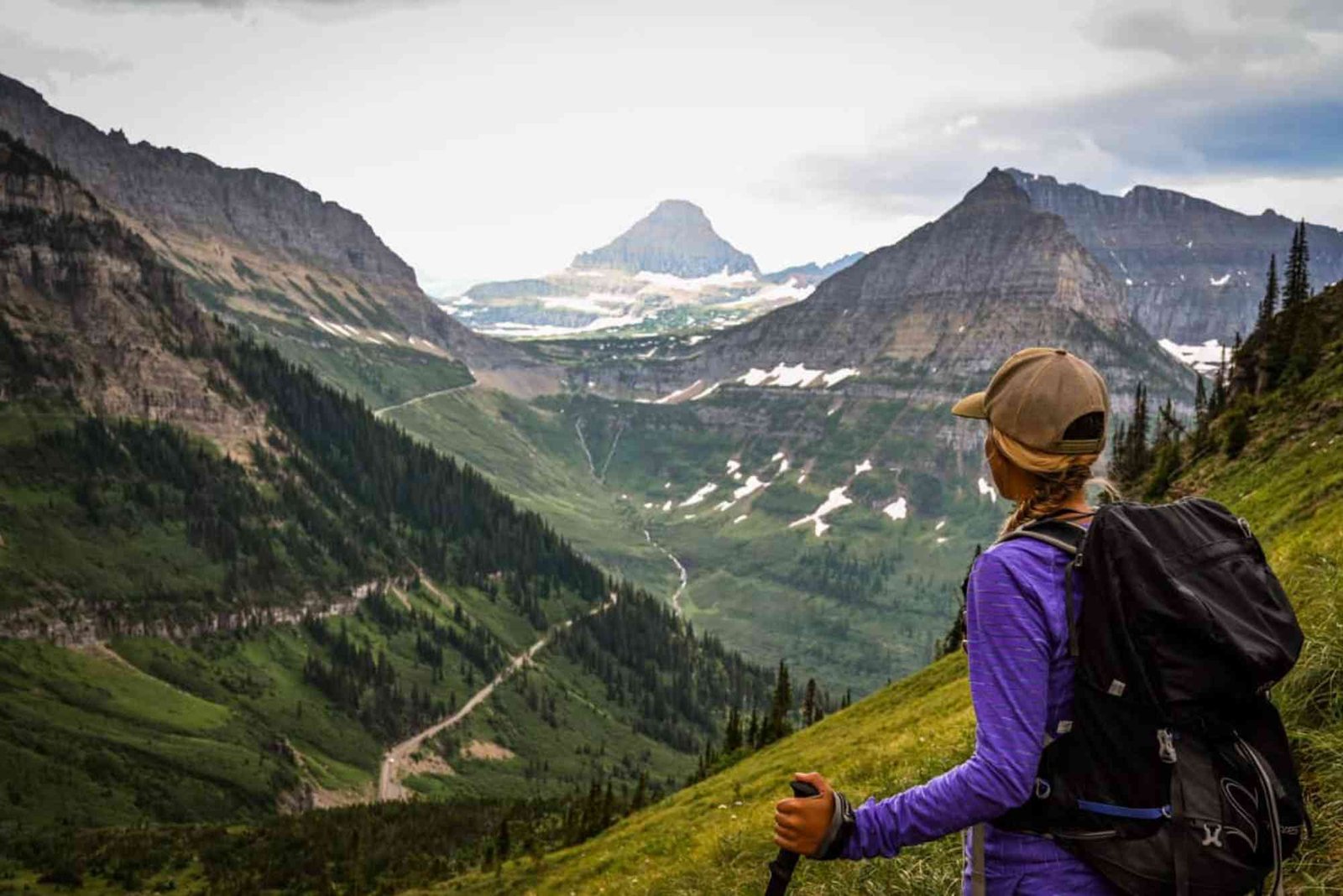
Hiking in the United States offers unmatched natural beauty, from majestic mountains to serene forests and rugged coastlines. Whether you are a seasoned trekker or a beginner exploring trails for the first time, understanding the right routes, planning strategies, and safety measures is essential. This guide provides a complete overview of hiking in the United States, helping adventurers of all skill levels experience nature confidently.
Understanding the Diversity of US Hiking Trails
The United States is home to a vast array of trails, each offering unique landscapes and challenges. From the Appalachian Trail that spans the eastern states to the Grand Canyon’s iconic rim paths, hikers can find trails suited to every preference and skill level. National parks like Yosemite, Zion, and Glacier offer both well-maintained paths and challenging backcountry routes. Forests, deserts, and coastal trails provide contrasting environments that require different preparation and equipment. By understanding the variety of trails, hikers can select experiences that match their abilities while maximizing enjoyment and safety.
Iconic Long-Distance Trails
Long-distance trails such as the Pacific Crest Trail, Continental Divide Trail, and Appalachian Trail demand both physical endurance and careful logistical planning. These trails span hundreds to thousands of miles, crossing multiple states and ecosystems. Hikers must be prepared for diverse weather, terrain challenges, and the need for resupply points. Proper planning ensures that the journey remains rewarding rather than overwhelming, offering not just physical exercise but also a profound connection with the natural world.
Scenic and Accessible Day Hikes
For those with limited time or beginners seeking gentle exposure to nature, accessible day hikes in state parks and national forests provide stunning scenery without extreme exertion. Trails near urban areas often combine convenience with natural beauty, allowing hikers to escape city life while enjoying moderate physical activity. These hikes are ideal for families, casual hikers, and anyone looking to experience the outdoors safely and comfortably.
Planning Your Hiking Adventure
Successful hiking begins with thorough planning. Choosing the right trail, knowing the local weather, and preparing adequate gear ensures a safe and enjoyable experience. Before setting out, research the trail’s difficulty, elevation changes, and estimated time to complete. Understanding seasonal conditions is equally crucial, as trails may be closed due to snow, flooding, or wildfire risks. Advanced planning reduces unexpected hazards and allows hikers to immerse themselves fully in the experience.
Choosing the Right Gear
Selecting appropriate hiking gear is essential for comfort and safety. Proper footwear that supports ankle stability, moisture-wicking clothing, and layered outfits for temperature changes are critical. Carrying sufficient water, high-energy snacks, and navigation tools like maps or GPS devices ensures preparedness in remote areas. Even day hikes benefit from basic emergency items, including first aid kits and rain protection, to handle unforeseen circumstances confidently.
Fitness and Preparation
Hiking requires physical endurance, balance, and strength. Engaging in preparatory exercises or smaller hikes helps condition the body, reducing the risk of fatigue or injury. For long-distance trails, gradual training over weeks or months builds stamina and mental resilience. Hikers should also consider pacing themselves appropriately during their journey, taking breaks to rest, hydrate, and appreciate their surroundings.
Ensuring Safety on the Trails
Safety is a top priority in any hiking adventure. Understanding potential hazards and responding proactively prevents accidents and ensures a positive experience. Weather changes, wildlife encounters, and uneven terrain are common challenges hikers may face across the United States. Being informed about local trail conditions and carrying appropriate safety tools, such as whistles, bear spray, or emergency blankets, enhances preparedness.
Navigating Wildlife and Natural Hazards
Wildlife is an integral part of the hiking experience but requires careful respect. Observing animals from a safe distance, securing food, and avoiding direct contact are essential practices. In addition, hikers must be aware of environmental hazards like slippery rocks, steep cliffs, The Complete Hiking Guide to United States: Trails, Planning & Safety and fast-moving rivers. Awareness and caution help prevent injuries while preserving the natural habitat.
Emergency Preparedness
Unexpected situations, such as getting lost or sustaining injuries, necessitate readiness. Familiarity with emergency protocols, including signaling for help and locating the nearest ranger stations, is crucial. Informing someone about your itinerary, carrying a fully charged phone or satellite device, and knowing basic first aid increases the likelihood of a safe resolution to emergencies.
Regional Hiking Experiences Across the United States
The United States offers a wide spectrum of hiking experiences, each region showcasing unique ecological and geological features. The East Coast features lush forests and rolling mountains, while the Midwest offers prairies, river valleys, and tranquil woodlands. Western states present dramatic landscapes, from the rocky deserts of Arizona to the snow-capped peaks of Colorado. Exploring diverse regions enriches the hiking experience and provides opportunities to witness varying ecosystems and wildlife.
Mountain Adventures
Mountain trails, such as those in the Rockies, Sierra Nevada, and the Cascades, offer breathtaking views and challenging terrain. Elevation gain, rocky paths, and variable weather conditions demand preparedness and endurance. Hikers are rewarded with panoramic vistas, alpine lakes, and the tranquility of remote wilderness areas.
Coastal and Desert Trails
Coastal trails provide stunning ocean views, cliffs, and beaches, allowing hikers to experience the calming influence of the sea. Desert trails, in contrast, present arid landscapes with striking geological formations. Both environments require special considerations, including sun protection, hydration strategies, and awareness of local wildlife.
Hiking Etiquette and Environmental Responsibility
Responsible hiking promotes the preservation of natural spaces. Following Leave No Trace principles ensures that trails remain pristine for future visitors. Staying on designated paths, minimizing noise, and carrying out all waste demonstrates respect for both the environment and fellow hikers. Educating oneself about local regulations, trail closures, and conservation efforts further supports sustainable outdoor recreation.
Community and Trail Connections
Engaging with local hiking communities, park rangers, and online trail forums can enhance knowledge and safety. Shared experiences and insights provide valuable guidance, especially for challenging trails or remote areas. Building connections fosters a sense of community and encourages responsible practices among all hikers.
Embrace the Adventure
Hiking in the United States offers unforgettable experiences for adventurers of all levels. By selecting appropriate trails, planning meticulously, and prioritizing safety, hikers can fully immerse themselves in the diverse landscapes the country offers. Every journey brings both physical challenge and personal reward, forging memories and fostering a deeper appreciation for nature. Embrace the adventure, prepare wisely, and explore the trails that call to your spirit. Start planning your next hike today and experience the unparalleled beauty of the United States.
FAQ
What are the best hiking trails in the United States for beginners?
Day hikes in national and state parks near urban centers often provide moderate difficulty trails suitable for beginners.
How do I prepare for long-distance trails like the Appalachian Trail?
Gradual physical training, proper gear, resupply planning, and studying the trail conditions are essential.
Is it safe to hike alone in US national parks?
Solo hiking can be safe with precautions, including informing someone of your route, carrying emergency equipment, and staying on marked trails.
What essential gear should I carry for a day hike?
Comfortable footwear, layered clothing, water, snacks, navigation tools, and a small first aid kit are crucial.
When is the best time of year to hike in the United States?
Spring and fall are ideal for most regions, offering moderate temperatures and reduced trail crowding.